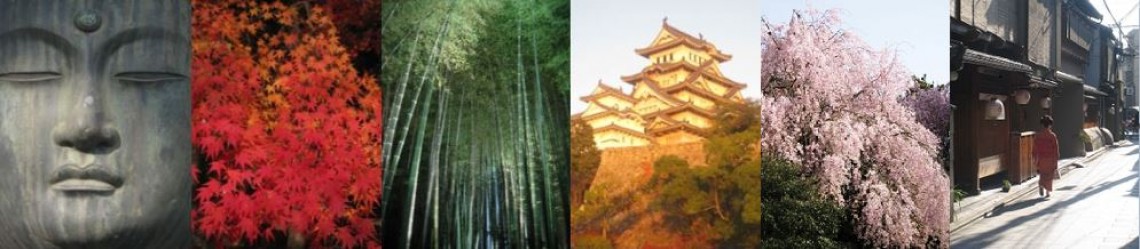
We don’t even have to mention there are many temples and shrines in Japan. It is famous enough, isn’t it? However, once you visited you may be confused or wonder why there are temples and shrines quite often built in the same land while they are two different religions. The answer is simple. Shinto is for your happiness in the present life and Buddhism is for your happiness in the life after death.
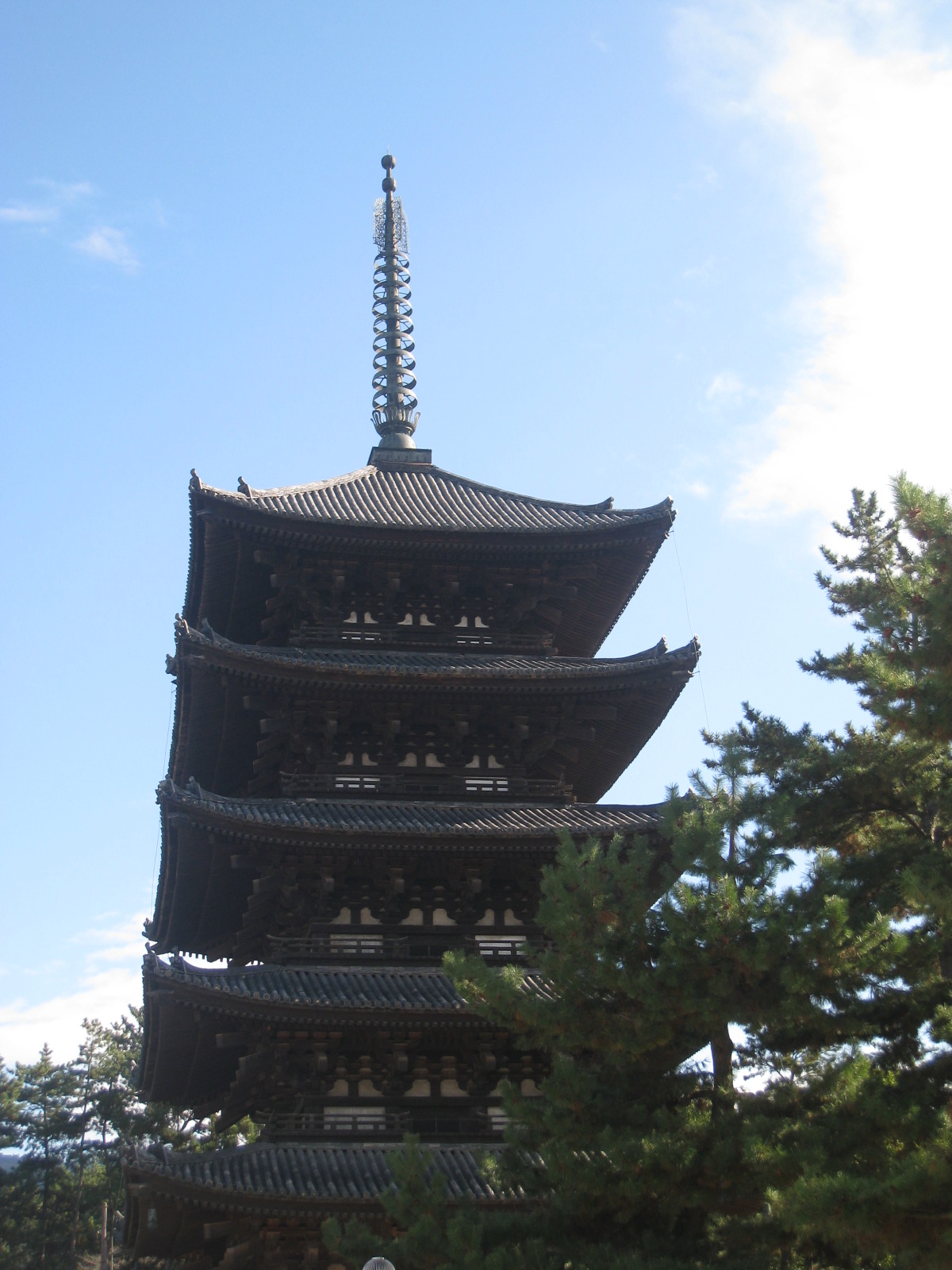
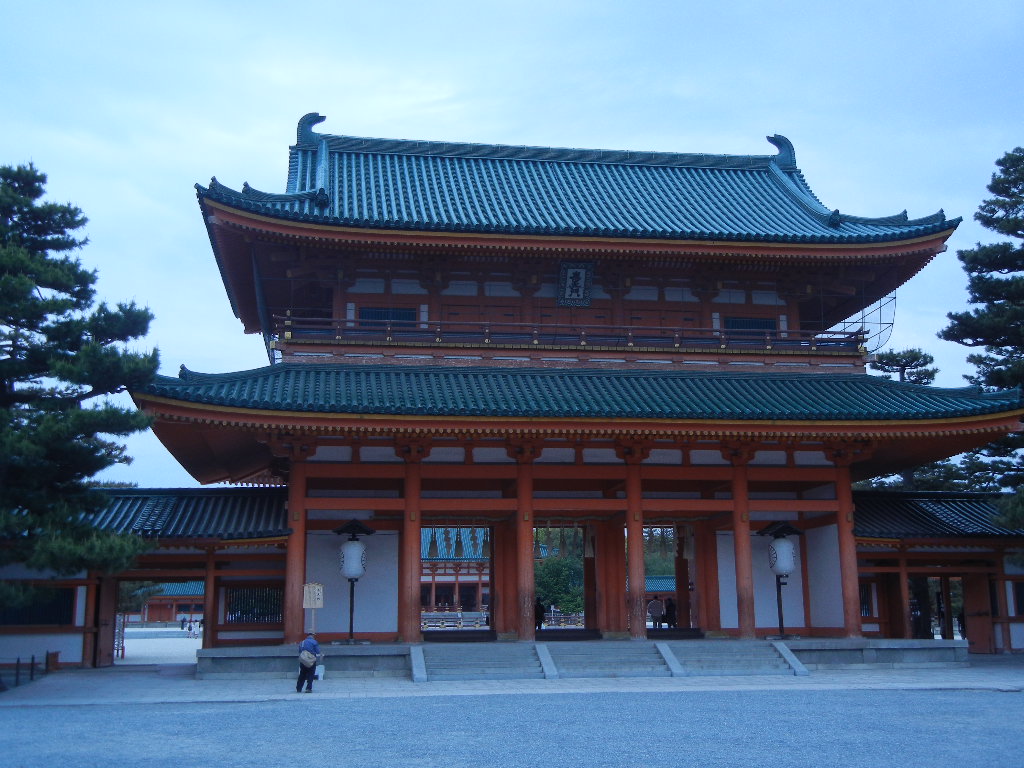
Shrines in Japan worship famous people with incredible historical achievements as God, but that is not all. There is the expression in Japan “Eight Million of Gods” which basically means “countless of Gods”. From the ancient days Japanese people believed there is a God in almost everything – lands, mountains, rivers, lakes, fires, winds, rich harvest and big fish catching, as well as things in our immediate surroundings such as houses, kitchens and even bathrooms! Gods in Mother Nature will bring you peace and safety, and Gods in your surroundings will bring you luck (if you keep them clean and shiny!). So when Japanese people want some wish granted, they go to Shrines and pray for it.
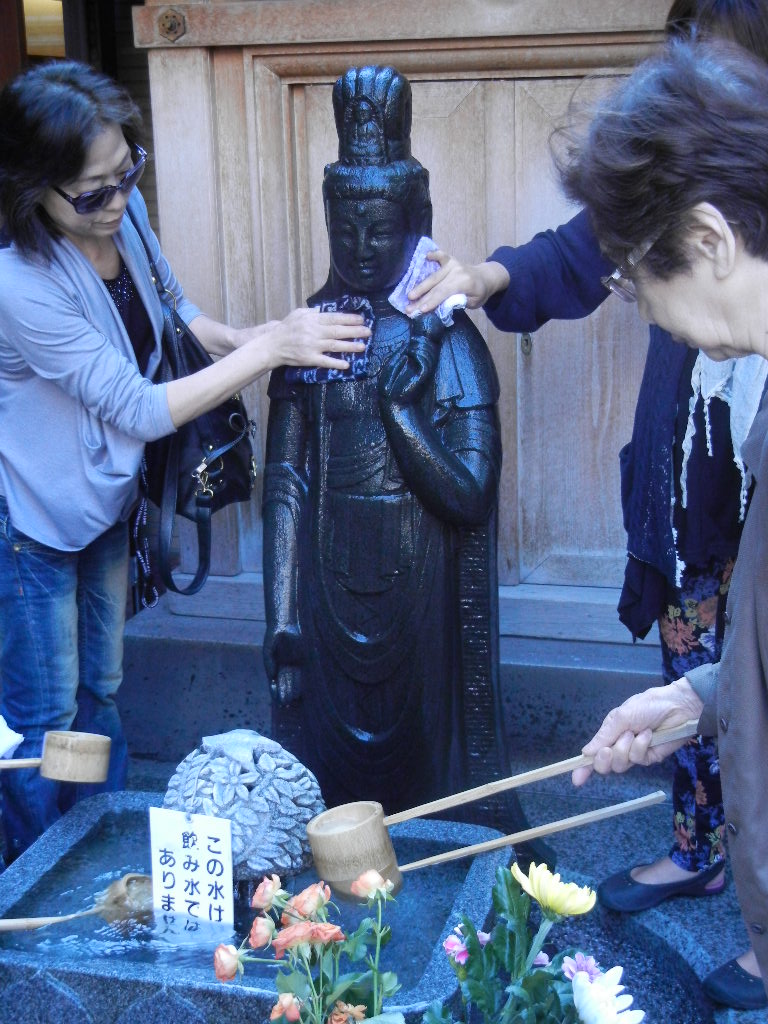
Temples on the other hand are follow the practice and the belief of Buddha. Buddhism has always been a big part of Japanese culture since it was introduced to Japan in the 6th century. The ultimate goal of Buddhism is to be free from all the human greed and desires then to achieve enlightenment which lead you to the land of paradise/heaven. Therefore you do not go to temples to pray for your wish to come true and you rather go there to appreciate and be thankful of how you are today. Having said that, there are a few exceptions such as Togenuki Jizouson introduced at far bottom where you go to have your wish granted.
Amongst many temples and shrines, here are some famous big ones with easy access in Tokyo.
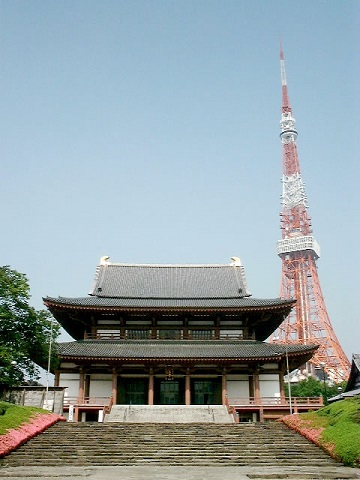
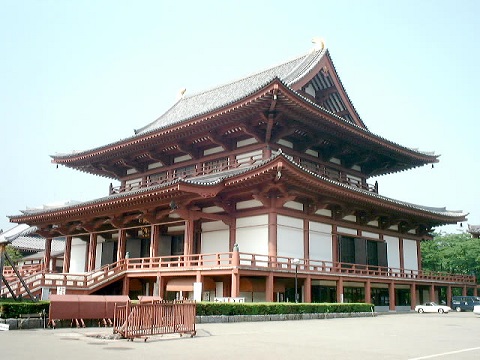
Zojoji Temple
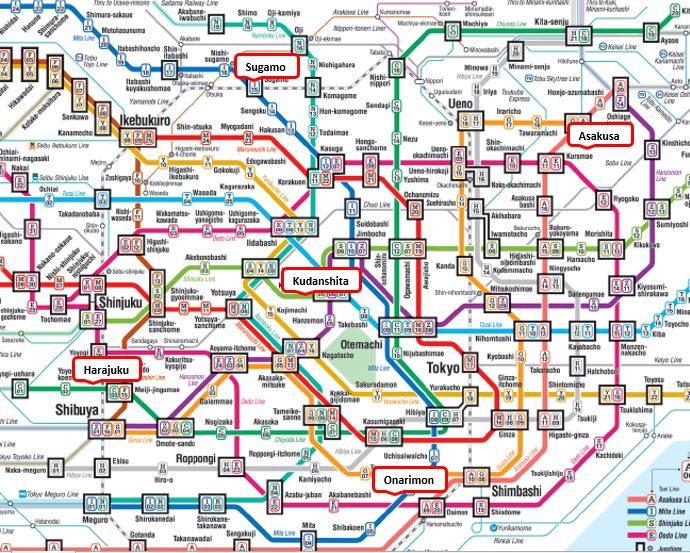
Situated right next to Tokyo Tower. Built in 1393, enshrined several Tokugawa family’s Shogun lords. Closest stations are Onarimon on Toei Mita Line (3 minute walk) or Daimon on Toei Oedo Line (5 minute walk). Click here for their official site.
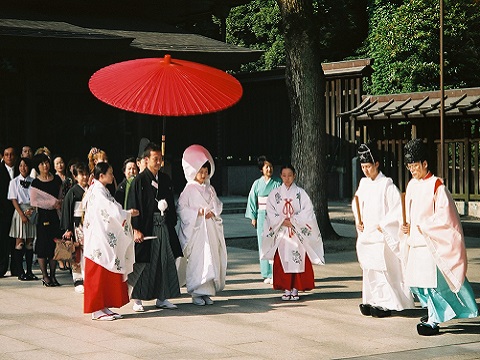
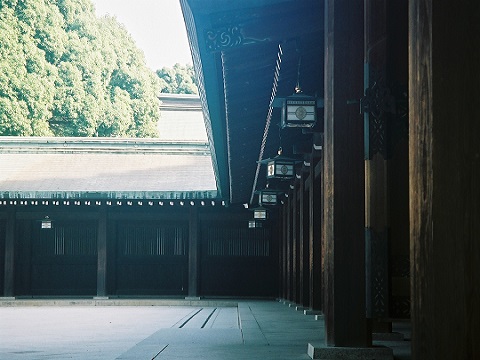
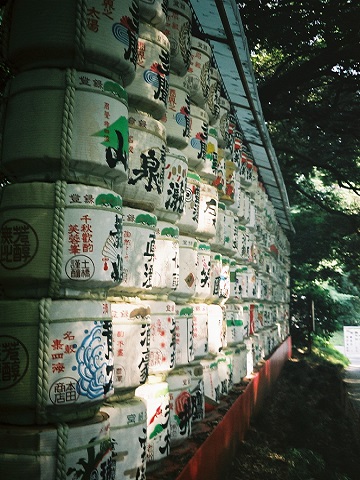
Meiji Shrine
Right next to Harajuku Station of JR Yamanote Line and Yoyogi Olympics Park. Built in 1920 to enshrine Meiji Emperor and his empress. After the main gate you will walk through the tranquil, long pebbly and woody street to the main Shrine. It can make you instantly forget that you are in the middle of busy area of Tokyo. Click here for their official site.
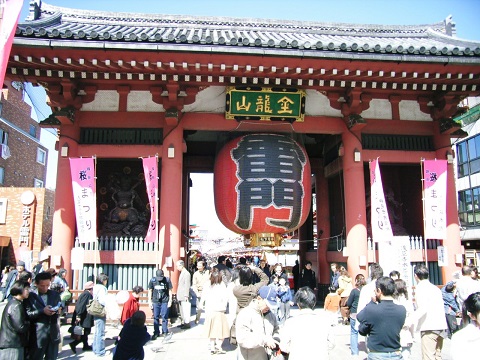
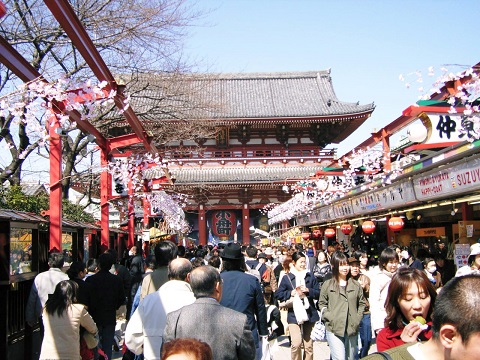
Asakusa Sensoji Temple
A big temple in the middle of Tokyo’s downtown Asakusa. It’s the oldest temple and possibly the busiest temple in Tokyo. Nakamise shop’s pathway that connects the front gate and the main temple is full of souvenir shops. Closest station is Asakusa on Ginza Line or Toei Asakusa Line. Click here for their official site.

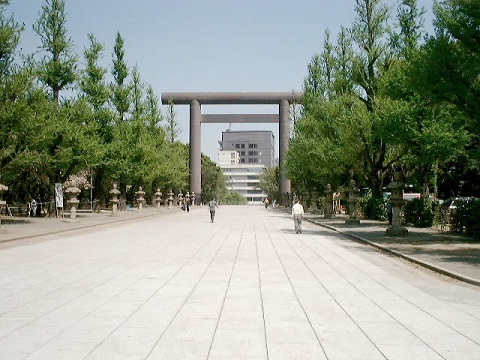
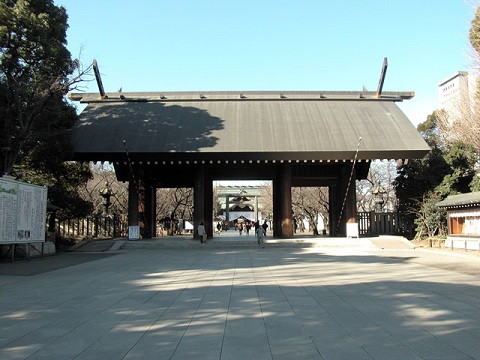
Yasukuni Shrine
Situated only few hundred meters away from Imperial Palace. Built in 1869 by Meiji Emperor to commemorate and honor those who dedicated their lives for their country through wars. Closest stations are Kudanshita Station on Tozai Line, Hanzomon Line or Toei Shinjuku Line (5 minute walk), or Ichigaya Station on Namboku Line, Yurakucho Line or JR Sobu Line (10 minute walk). Click here for their official site.
Togenuki Jizouson
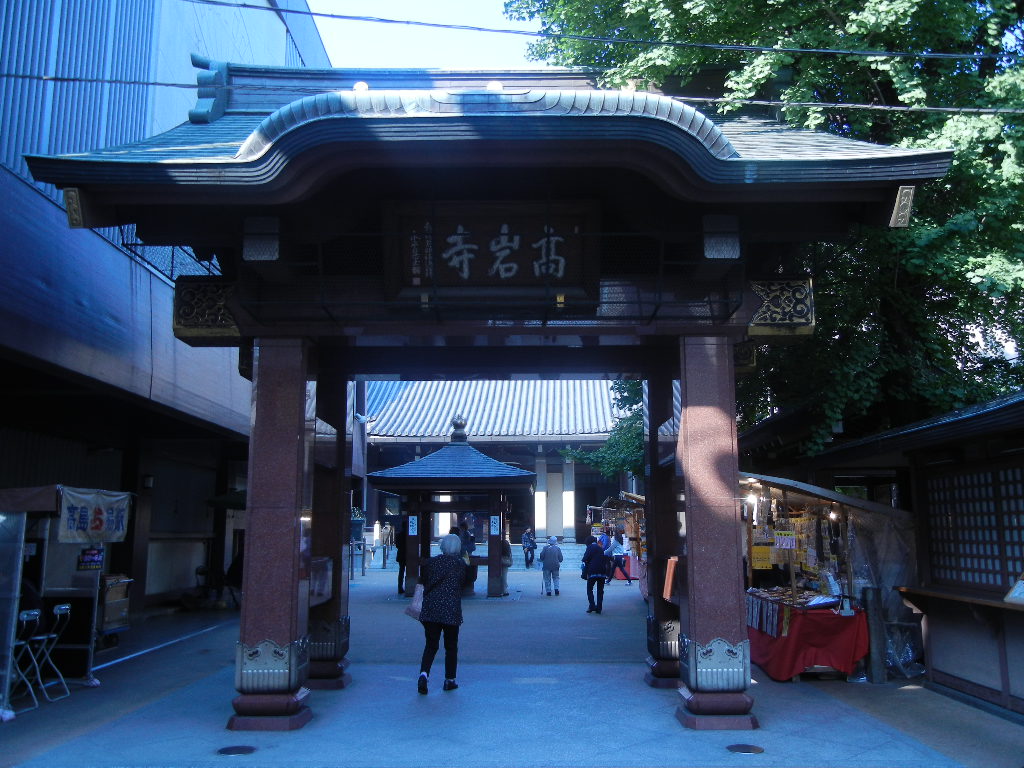
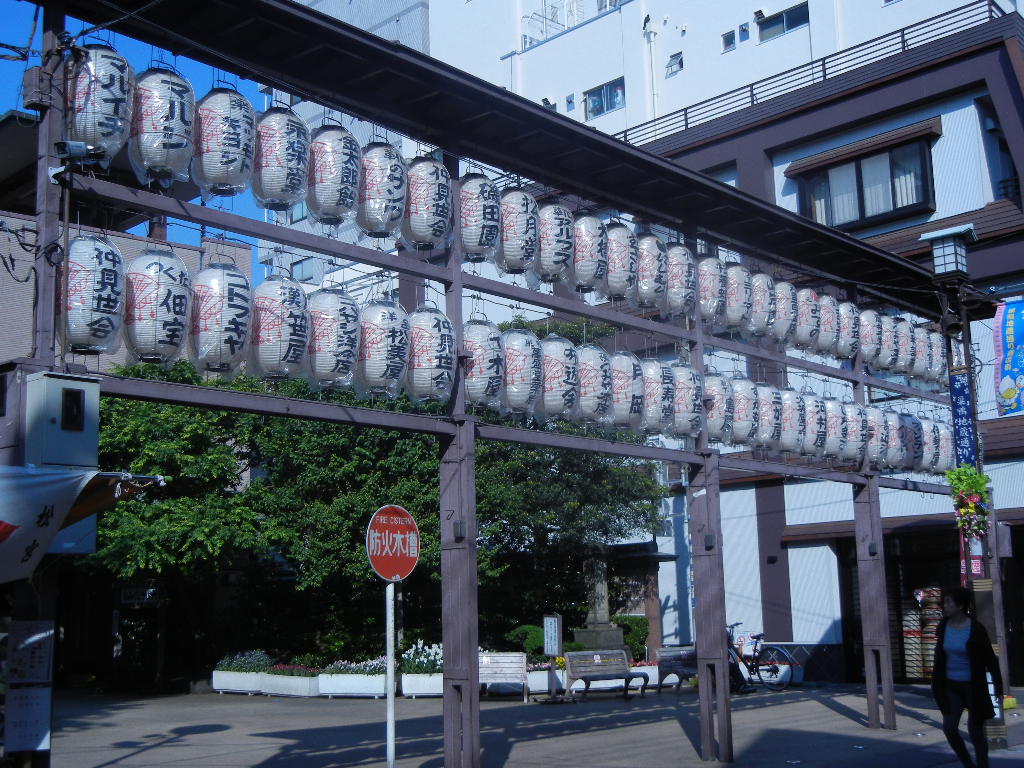
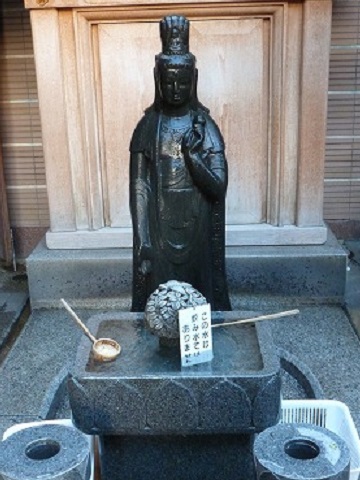
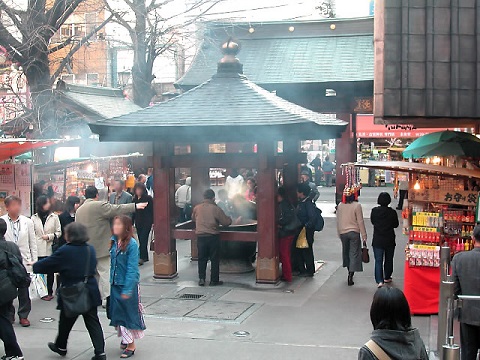
Last but not least, this one is totally unique and differet from the above four. Togenuki means “to get rid of thorns” and Jizou means “a guardian deity”. Many visitors, especially elderly people, come to this temple every day wishing for better health and strength. The temple setup is much smaller than others in this page but it is situated in a truly local atmosphere of downtown Sugamo which is affectionately nicknamed as “Elderly’s Harajuku“. From Sugamo Station to Togenuki Jizouson, there is a vibrant local shopping village selling snacks and souvenirs. It is about 5 minute walk from Sugamo Station on JR Yamanote Line or Toei Mita Line.
Locations
Categories: Top 10 Spots in Tokyo
 Japan Retreats
2 replies ›